

As we reach the midpoint of 2025, the lighting industry is undergoing a profound transformation. Guangzhou Chinotech Co., Ltd. remains committed to monitoring market dynamics. This article provides a comprehensive analysis of the industry's development landscape, drawing on its first-half performance and the latest policies.
.jpg)
According to customs statistics, China's lighting product exports totaled approximately $16.3 billion in the first four months of 2025, reflecting a year-on-year decrease of about 7%. Although this indicates a decline, the rate of decrease narrowed by 1 percentage point compared to the first quarter. These exports accounted for about 2.3% of the total electromechanical product exports.
Exports to the United States, the largest market for China's lighting products, reached around $3.4 billion during this period, down 12% year-on-year. In April alone, China's lighting product exports were approximately $4.5 billion, a decrease of about 3% compared to the same month last year. Exports to the U.S. in April amounted to about $800 million, marking a significant 28% decline from April 2024.
The notable drop in exports to the U.S. in the first four months was significantly influenced by adverse factors such as the escalation of U.S. tariffs on Chinese goods. However, the average export unit prices for some lighting products to the U.S. saw increases to varying degrees. For instance, the average export price for chandeliers and other electrical lighting fixtures designed exclusively for Light Emitting Diode (LED) light sources rose by 21% year-on-year. This suggests a certain degree of inelastic demand for Chinese lighting products in the U.S. market.
Regionally, from January to April, Guangdong Province's exports to the U.S. were approximately $1.4 billion, down 23% year-on-year. The Yangtze River Delta region (Jiangsu, Zhejiang, Shanghai, Anhui, Jiangxi) exported about $1.1 billion worth of lighting products to the U.S., a decrease of 9%. Fujian Province's exports to the U.S. stood around $200 million, declining by 29% compared to the same period last year.

For lighting fixtures, the total export value from January to April reached approximately $12.2 billion, marking an 8% year-on-year decrease. This decline narrowed by 1.5 percentage points compared to the first quarter, accounting for about 75% of total lighting product exports. Exports of certain categories, including other electrical luminaires, lighting installations, and lighting parts, fell by approximately 15%, representing about 31% of total fixture exports. However, a few categories achieved growth in both export value and volume. These include Christmas lighting fixtures, other electric lamps and lighting fittings designed for LED light sources (photovoltaic), and those designed for LED light sources (non-photovoltaic). Their export value increased by 42%, 6%, and 6% respectively, while export volume grew by 27%, 33%, and 18% year-on-year.

The export volume of light source products showed a growing trend in the first four months, with China exporting approximately 8.9 billion units, a year-on-year increase of 9%. Among these, the total export volume of general lighting-purpose light sources reached about 5.3 billion units, up 39% year-on-year. LED light source products (including LED bulbs, LED tubes, and LED modules) accounted for 4.7 billion units, representing 90% of China's general lighting light source exports—a 2 percentage point increase from the same period last year. Exports of LED modules specifically surged to around 2.6 billion units, growing by about 87% year-on-year. Meanwhile, exports of traditional light sources such as thermal radiation and gas discharge light sources also rose by 20%, making up approximately 10% of total general lighting light source exports.
However, the export value of light source products continued to face pressure. From January to April, light source exports amounted to about $1.8 billion, down approximately 11% year-on-year, accounting for 11% of total lighting product exports—a 1 percentage point decrease compared to the same period in 2024.
From a global market perspective, in the first four months of 2025, China's lighting product exports to North America totaled approximately $3.8 billion, down 11% year-on-year, with the decline widening by 5 percentage points compared to the first three months. Exports to the European Union reached about $4 billion, marking a 1% year-on-year increase, which was 3 percentage points higher than the growth rate in the first quarter. Exports to Belt and Road Initiative countries amounted to around $7.9 billion, a decrease of 5% year-on-year, though this decline narrowed by 4 percentage points compared to the previous period.
In terms of individual export destinations, the top ten markets for China's lighting product exports from January to April were the United States, Germany, Malaysia, Vietnam, the United Kingdom, Singapore, Japan, Thailand, the Netherlands, and Canada. Combined exports to these markets totaled approximately $8.2 billion, down 4% year-on-year, accounting for about 50% of China's total lighting product exports. Exports to the United States, Malaysia, the United Kingdom, and Thailand all experienced declines, with decreases ranging between 2% and 12%. In contrast, exports to Germany, Vietnam, Singapore, and Japan showed growth, with increases ranging from 1% to 13%.
The European Union and ASEAN ranked as China's second and third largest lighting export markets, with export values of $3 billion and $2.9 billion respectively, representing year-on-year growth of about 3% and 1%.
Overall, the export market presented a complex picture. While some markets demonstrated growth, pressure on exports to the United States remained significant. However, the joint statement released by China and the United States on May 12, announcing a new tariff agreement, has provided some slight relief to the lighting industry's export situation with the U.S.
1. Transformation and Upgrading of Traditional Lighting Manufacturing Bases
As core production hubs of China's lighting industry, Zhongshan in Guangdong, Changzhou and Gaoyou in Jiangsu, and Jiujiang in Jiangxi have explicitly prioritized the transformation and upgrading of lighting manufacturing in their government work reports.
For instance, Guzhen Town in Zhongshan aims to establish "Five Centers" (industrial, trade, design, information, and technological hubs) for the lighting industry, planning to develop thousand-mu-level industrial platforms such as low-carbon environmental protection parks and smart optoelectronics industrial parks. Leveraging platforms like the Guzhen Lighting Fair, Zhongshan Guzhen Cultural Tourism Light Show, and the Outdoor & Engineering Lighting Exhibition (Summer Edition), it seeks to promote collaborative innovation between lighting and sectors like ceramics, with plans to launch 100 co-designed premium products.
Henglan Town, focusing on smart manufacturing, is accelerating the construction of an advanced lighting research center laboratory and establishing an intelligent testing service platform to enhance the competitiveness of "Henglan Manufacturing."
Zhouqu Town in Changzhou, Jiangsu, is guiding enterprises to intensify smart upgrades, advancing specialized rectification in the lighting processing industry, and reshaping a green industrial ecosystem. This aligns with Jiangsu Province’s policy of "deepening the integration of culture, sports, and tourism to boost consumption" in terms of industrial upgrading.
Gaoyou City in Yangzhou plans to strengthen and extend the supply chain for emerging industries like smart lighting, continuously building five major industrial clusters, and vigorously promoting the formal establishment of the High-Tech Zone while accelerating the "Four Transformations" of smart lighting.
Ruichang City in Jiujiang, Jiangxi, is supporting local lighting enterprises to expand into sectors such as educational lighting, outdoor lighting, and commercial lighting, aiming to build a central China optoelectronics manufacturing base.
These initiatives demonstrate that traditional lighting production areas are shifting from "scale expansion" to "quality leap," leveraging technological empowerment and ecological restructuring to capture the industry’s high ground. They also present development opportunities for lighting enterprises in technological innovation and industrial collaboration.

2. Increased Infrastructure Investment Boosts Outdoor Lighting Demand
In 2025, increased infrastructure investments across multiple regions and the continuous advancement of projects such as urban renewal and transportation network improvements are creating structural opportunities for outdoor lighting. In the realm of road and landscape lighting, Shanghai plans to complete landscape lighting upgrades for 14 Suzhou River bridges and enhance lighting along the Inner Ring Elevated Road, while also advancing a 130-kilometer overhead wiring burial project to optimize urban public space illumination. Chongqing, through its "Six Major Urban Construction Initiatives," is promoting major projects such as tunnels and bridges, accompanied by the development of pocket parks and sports parks, further stimulating demand for road lighting.
In terms of smart city infrastructure, Beijing’s "Three 100" key projects include initiatives like old residential area renovations and backstreet improvements, where smart streetlights and energy-efficient lighting systems are expected to become standard features of urban renewal. These projects not only enhance urban functionality and quality but also drive the deep integration of lighting technology with the Internet of Things and energy-saving technologies. For instance, applications of green solutions such as intelligent dimming systems and solar streetlights will be further expanded.
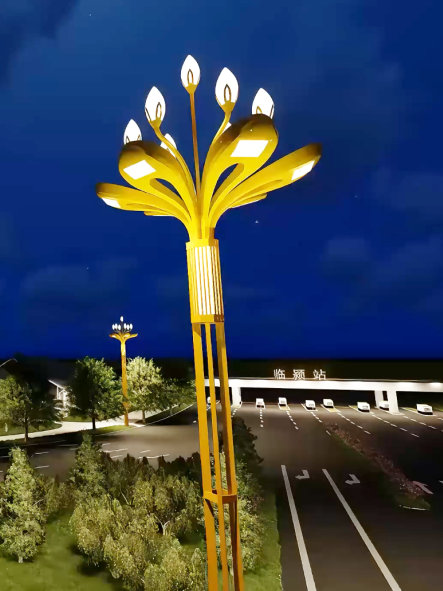
For companies like Henan Tianyu Lighting Technology Co., Ltd., which specialize in streetlight poles and outdoor luminaires, this undoubtedly presents a broad market space. By leveraging their product strengths and incorporating more intelligent and energy-efficient elements, they can enhance their competitiveness while participating in urban construction projects.
3. Nighttime Economy Policies Stimulate Segmented Demand in the Lighting Market
The General Office of the State Council's "Several Measures to Further Foster New Growth Drivers and Boost Cultural and Tourism Consumption" explicitly supports the upgrading of nighttime lighting and the construction of immersive cultural and tourism experiences. Government work reports across various regions have actively responded, positioning the "lighting economy" as a key driver for consumption growth.
Shanghai plans to establish 10 nighttime consumption clusters and host flagship events such as the "Shanghai International Light Festival" to promote integrated "performance + lighting" models. Nanjing is expanding the influence of the "Qinhuai Lantern Festival," combining intangible cultural heritage with technological elements to enhance nighttime tourism experiences.
Additionally, many regions are encouraging the use of audio-visual technology to develop new formats such as digital exhibitions and live-action performances. These projects not only drive demand for landscape lighting and stage lighting equipment but also create niche markets for intelligent control systems and interactive installations, offering lighting companies comprehensive business opportunities spanning from hardware to services. Lighting enterprises can develop creative and interactive lighting products tailored to the specific needs of the nighttime economy, thereby exploring new business growth avenues.
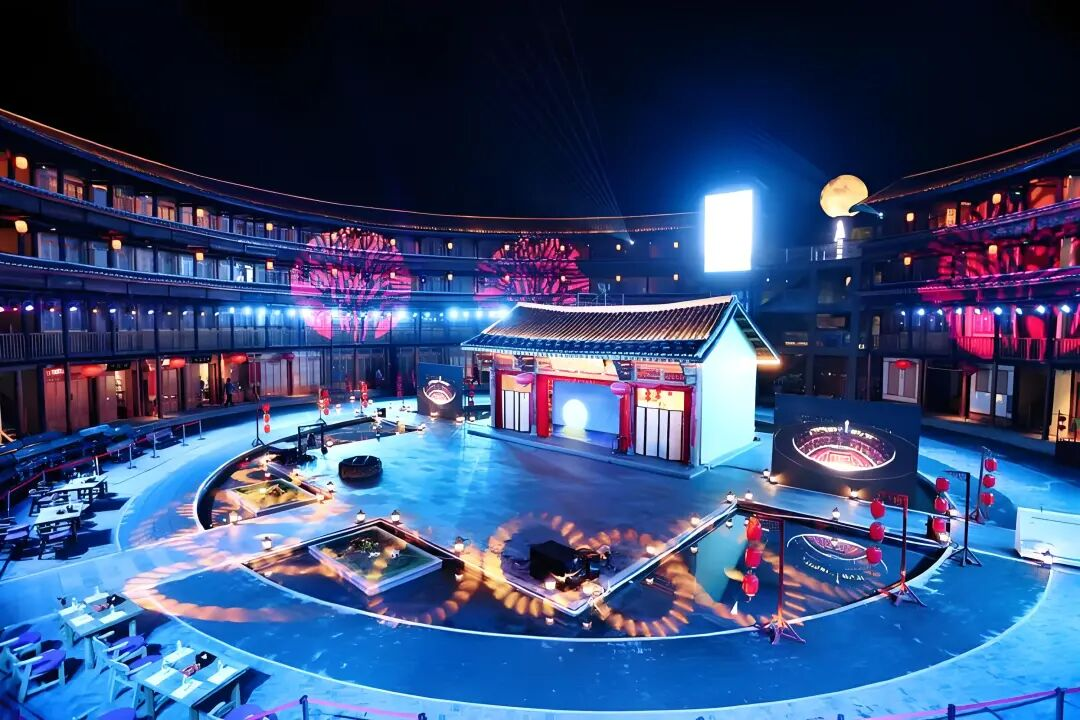
1. Ningbo International Lighting Exhibition: Market Recovery and Foreign Trade Confidence Rebounds
The three-day Ningbo International Lighting Exhibition successfully concluded at the Ningbo International Conference & Exhibition Center on May 10, 2025. This year's event set a new record in scale, gathering over 2,000 high-quality enterprises from various segments of the lighting industry. Participants included international brands such as OPPLE, Signify, and Amazon, as well as industry-representative companies like Xinchuang Power Supply, Feiyetai Electronics, Songsheng Power Supply, and Yitang Intelligent Technology. The exhibition comprehensively showcased more than ten major categories of products from across the industry chain, featuring tens of thousands of innovative products covering smart lighting, outdoor lighting, commercial lighting, LED drivers and accessories, and other full-chain applications.
Over the three days, the exhibition attracted nearly 100,000 visits, with bustling aisles and high foot traffic at numerous booths, creating a vibrant atmosphere of active exhibition and sales. This fully demonstrated positive signals of market recovery and renewed confidence in foreign trade. A key highlight of this year's event was the "Overseas Buyer Matchmaking Session," which precisely addressed export needs. Buyers from over 40 countries and regions across Asia, Europe, North America, and Africa engaged in one-on-one matching and exchanges, helping lighting companies explore international markets and diversify export channels.
According to on-site feedback, approximately 80% of participating companies secured orders, with many achieving on-the-spot deals. These results highlight the continued global appeal and vitality of the lighting industry. Companies actively expanded their business through the exhibition platform, reflecting sustained market demand for lighting products, particularly in emerging markets and specialized segments.

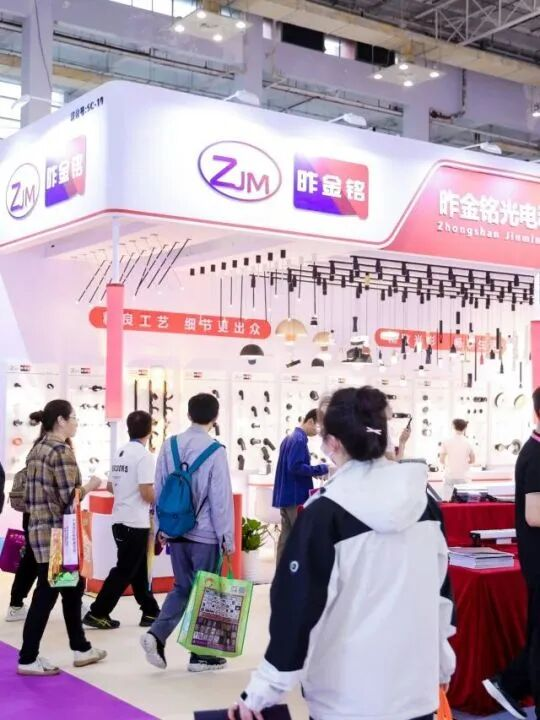
2. Ancient Town Outdoor Lighting Exhibition: Exploring New Trade Exhibition Models and Industrial Upgrading
The three-day 2025 Zhongshan Guzhen Cultural Tourism Light Show, Outdoor & Engineering Lighting Exhibition opened on May 26, 2025. As China's "Lighting Capital," Guzhen Town introduced this new outdoor lighting exhibition alongside its existing spring and autumn lighting fairs, exploring a "three-exhibitions-per-year" model. This initiative aims to build a comprehensive annual exhibition-trade chain characterized by "spring for order procurement, summer for vertical specialization, and autumn for global expansion."
Held in Halls A and B of the Guzhen Lighting Fair Complex, the exhibition featured nearly 300 participating enterprises, primarily from Zhongshan, Jiangmen, Shenzhen, Guangzhou, and Foshan, with outdoor lighting companies from cities like Yangzhou and Yuyao also taking part. Pre-registered attendees exceeded 20,000 verified individuals. At the opening ceremony, Liu Shengping, Executive Chairman of the China Association of Lighting Industry, emphasized that developing and strengthening the domestic market, advancing urban renewal, and enhancing infrastructure construction provide robust policy support and positive market guidance for the lighting industry to serve new urbanization and promote domestic circulation.
Against this backdrop, with the booming nighttime economy and cultural tourism, market demand in outdoor lighting, cultural tourism, and landscape lighting continues to grow. Leveraging Zhongshan Guzhen's resource integration capabilities, this exhibition helps businesses expand into global markets, seize e-commerce opportunities at home and abroad, and enhance the value of urban construction and living comfort through lighting technology and luminous art. During the opening ceremony, the Guzhen Town People's Government also signed an agreement with China Telecom Zhongshan Branch to launch the "Lighting Industry AI Large Model Intelligent Supply-Demand Platform." This initiative aims to empower the entire lighting industry chain through AI large model technology, building a "Model as a Service (MaaS)" platform to drive digital-intelligent transformation, enhance corporate vitality, promote industrial upgrading, and transition the industrial cluster toward "data-driven and ecological collaboration," ultimately positioning Guzhen as a global lighting hub.
The exhibition not only provided a platform for outdoor lighting companies to showcase products and technologies but also encouraged exploration in model innovation and technological advancement, offering valuable insights for the entire lighting industry's development.
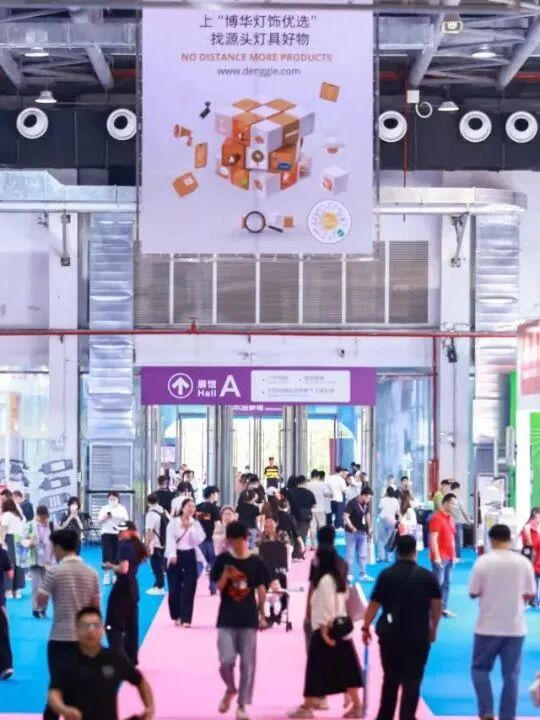
3. The 30th Guangzhou International Lighting Exhibition
Integration of Health and Intelligence Leads the "New Quality Productive Forces" in the Lighting Industry
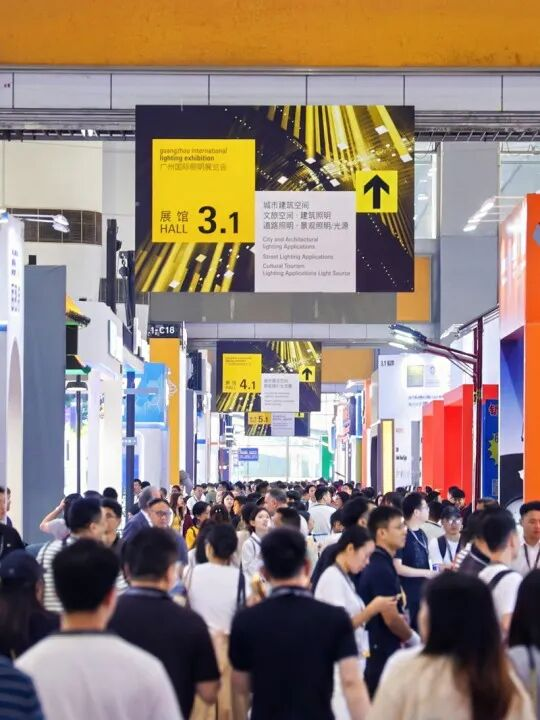
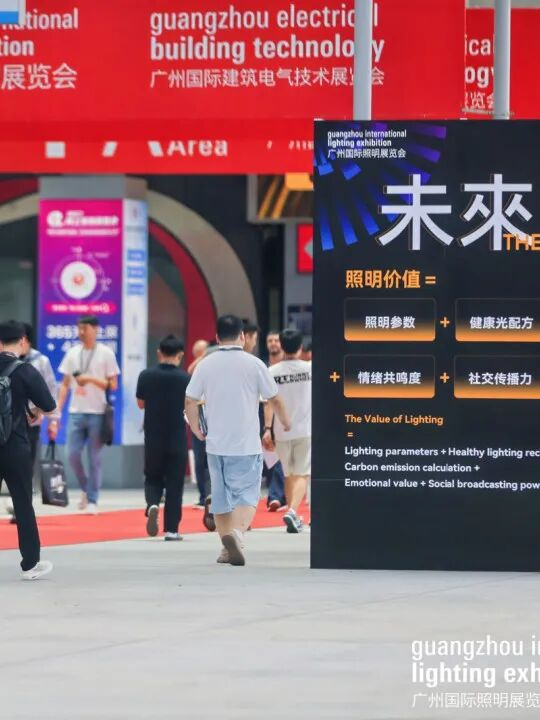
On June 9, 2025, the 30th Guangzhou International Lighting Exhibition (GILE 2025) grandly opened at the China Import and Export Fair Complex. As an annual flagship event in the lighting industry, this year's exhibition adopted the theme "360º+1—Practicing the Limitless Possibilities of Light, Taking the Next Step to Illuminate New Lifestyles." It attracted 3,188 exhibitors from 20 countries and regions, with a record-breaking exhibition area of 250,000 square meters. On the opening day, smart lighting, healthy light environments, and cross-industry integration emerged as the most prominent focuses. Leading brands showcased their latest technologies and solutions, painting a vibrant and innovative future for the industry.
The deep integration of health and intelligence stood out as the most notable trend at this year's exhibition. According to Zhiyan Consulting's "2024 Analysis Report on China's Home Lighting Market," the production and sales of health-oriented and smart lighting products achieved year-on-year growth of approximately double digits. Additionally, the national standard "Dosage of Light for Human Non-Visual Biological Effects" has kicked off its drafting process, signaling that health-focused lighting is transitioning from conceptualization to standardization. At the exhibition, major brands actively introduced smart lighting solutions that incorporate health-oriented principles.
Based on the market performance and policy directions observed in the first half of 2025, the lighting industry is at a critical juncture characterized by coexisting opportunities and challenges.
On the export front, while the U.S. market continues to face pressure, other international markets such as the European Union, ASEAN, and Belt and Road Initiative countries show growth potential. Companies must closely monitor changes in tariff policies, optimize their product mix, and enhance product added value to navigate international market uncertainties.
In the domestic market, opportunities are emerging from the transformation and upgrading of traditional lighting manufacturing hubs, infrastructure investment driving outdoor lighting demand, and the nighttime economy stimulating niche segments. Lighting enterprises should actively seize policy-driven opportunities, increase investment in R&D, product innovation, smart and energy-efficient technologies, expand business areas, and strengthen brand building and marketing.
Meanwhile, industry exhibitions serve as vital platforms for exchange and display, offering companies opportunities to gain market insights and expand business cooperation. Enterprises are encouraged to fully leverage such platforms to enhance communication and collaboration across the industry.
We hope this article provides industry peers with a deeper understanding of the lighting sector in the first half of 2025. Everyone is welcome to share their insights and views in the comments section. If you find this article helpful, don’t forget to share it with more friends – let’s stay informed about lighting industry developments together. Also, feel free to follow our official account for the latest updates and professional analysis on the lighting industry.
Some content and images are sourced from the Internet. Contact us for removal if infringement occurs.

Copyright © 2026 CHINOLITE All Rights Reserved.




 Back
Back